

Professional Development
Pharmacy rotation preparation checklist: begin with clear expectations
- Summary
- A useful first week starts before the first day. Confirm the practical details and prepare to learn deliberately.
- Last reviewed
- September 29, 2026
Who is this rotation checklist for?
Every rotation is a chance to see the profession you are joining up close.
This PharmD Hub™ checklist is for pharmacy students preparing for an experiential rotation. It helps you arrive with practical arrangements confirmed, learning goals prepared, and questions for your preceptor. Your program and site determine the requirements and supervision for the experience.

Before You Arrive
Confirm the schedule, location, contact person, required onboarding, dress expectations, and access arrangements.
Complete required training through approved channels. Ask which materials the preceptor recommends reviewing. Use the program’s instructions as the authority.
Prepare Your Learning Goals
Choose a few specific goals appropriate to your experience. Describe what you want to practice, what preparation you have completed, and where you will need guidance. Avoid goals so broad that progress cannot be observed.
Example learning goal: “Prepare a structured case presentation, obtain feedback on my reasoning, and apply that feedback to the next presentation.” Adapt the task, support, and review point to your stage of training and the site’s expectations.

During the First Conversation
Ask how responsibilities are assigned, what requires direct supervision, how questions should be raised, and when feedback will occur. Clarify expected presentations, projects, documentation, and evaluation criteria.
Build a Daily Learning Routine
Prepare for assigned work, ask focused questions, record nonconfidential learning points, and follow through on feedback.
Keep patient information only in authorized systems. Tell the preceptor when you are uncertain or when a task exceeds your preparation.

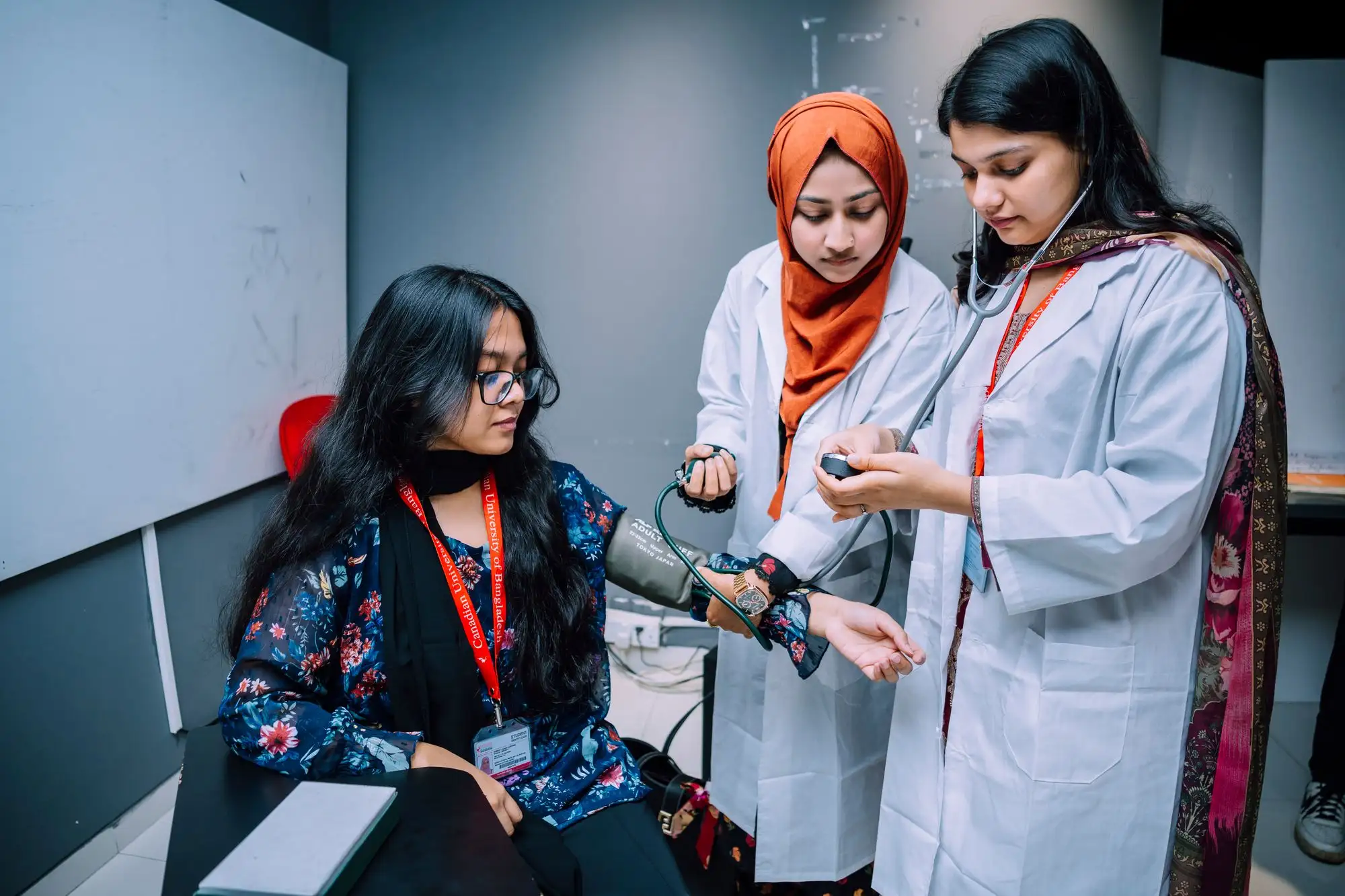
At the Midpoint and Conclusion
Compare progress with your original goals. Request specific examples of what is improving and what needs attention. Agree on a practical next step. Retain permitted evidence of learning without patient or institutional confidential information.
Take the Next Step
Before your start date, complete the practical checks and draft two or three goals to discuss with your preceptor.
Use the companion feedback framework to understand how an observation can become a useful next practice opportunity.
Next in Professional Development
Preceptor Feedback