
Licensure
Your license starts with the board where you plan to practice.
Licensure is a sequence of decisions made by specific organizations: your board of pharmacy, NABP, and the bodies that issue credentials.

- Summary
- Organize U.S. pharmacy licensure and reach the responsible authority for each requirement.
- Last reviewed
- October 2026
Requirements depend on the profession, the jurisdiction, and the route you are taking, whether that is a first license, a transfer, a renewal, or a path from pharmacy education outside the United States. Start with the license you need, then confirm every step at its official source. This hub shows you where to look and what to verify.
Start With the License or Credential You Need




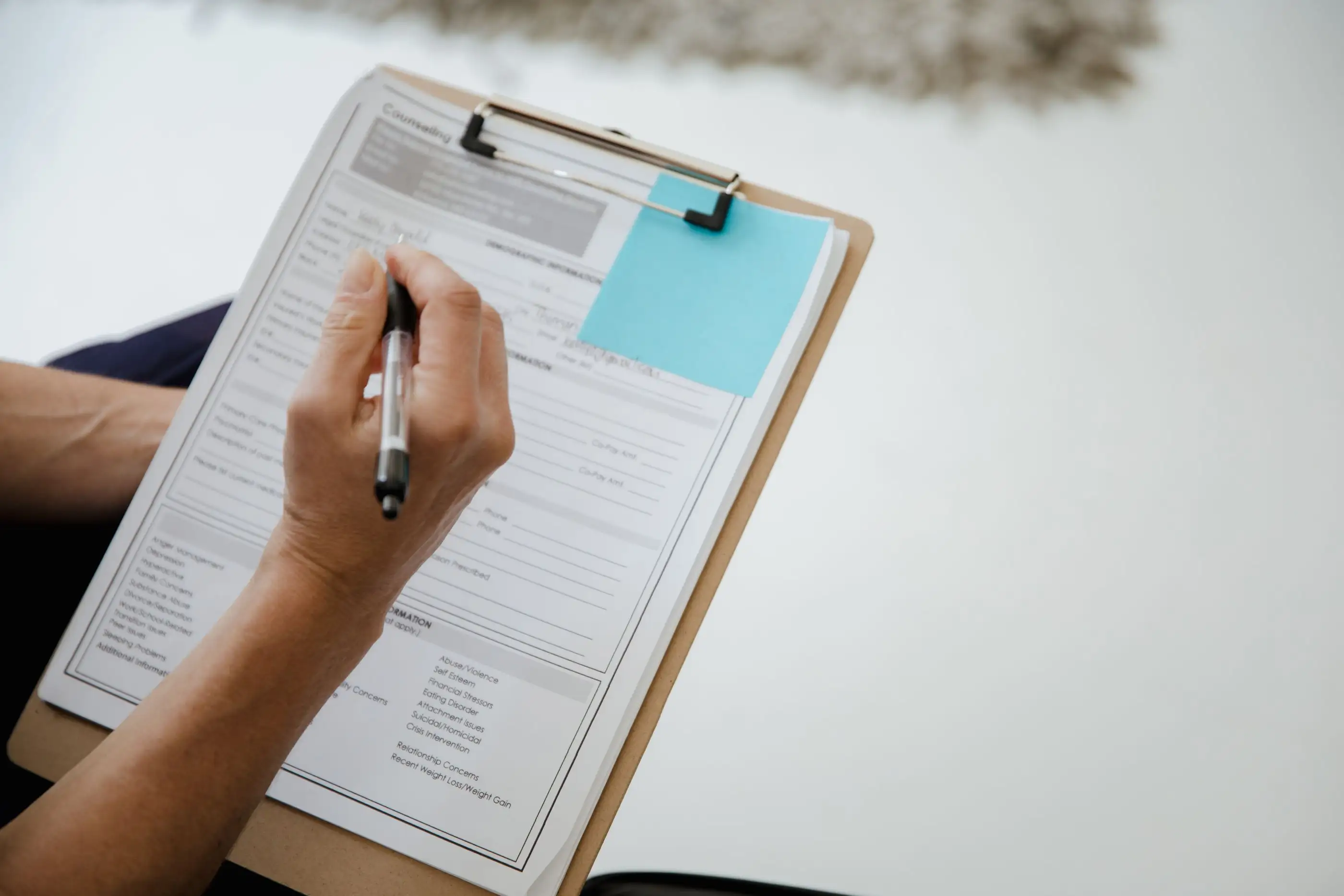

Before Your First Pharmacist License
A first license is a sequence, not a single application. Write down each step, its prerequisites, the organization responsible, and the evidence you need to provide. Confirm the following for your route:
- Education and eligibility requirements, including any certification required for an internationally educated applicant.
- Practical experience requirements and how completion must be documented.
- Applications, identity documents, official records, fees, and submission instructions.
- Required examinations, approval to test, and scheduling conditions.
- How results reach the board and what remains before a license is issued.
Check the board’s current instructions before scheduling or buying preparation materials. An examination result is one part of the process; confirm that your license has been issued before undertaking work that requires it.

The NAPLEX: One Requirement, Prepared Well
The North American Pharmacist Licensure Examination is one component of pharmacist licensure. Your board determines eligibility; NABP administers the exam and reports your result. Before you schedule, review the current content outline and candidate bulletin. When you are ready to prepare, NAPLEX Prep brings practice questions, mock exams, step graded calculations, and a 12 week study plan together in one place.
Which pharmacy law examination do you need?
Requirements vary by jurisdiction and application route. NABP provides information on the Multistate Pharmacy Jurisprudence Examination (MPJE), the Uniform MPJE (UMPJE), jurisdictions using their own law examinations, and exceptions. The UMPJE began administration in participating jurisdictions in 2026; adoption does not mean every jurisdiction has the same requirements.
Confirm the examination for your own route with the destination board before preparing or scheduling. Initial licensure and licensure transfer can differ within the same jurisdiction.

Pharmacy Technician Certification and State Authorization
Confirm whether your jurisdiction requires registration, licensure, certification, training, or other conditions before you begin work. Review permitted responsibilities, supervision, and renewal obligations as well as the entry requirements.
National certification and state authorization are separate. Check the credential issuer’s eligibility rules and your board’s requirements; earning a national credential does not by itself establish permission to practice in a state.
Pharmacist License Renewal and Transfer Checklist
- Record each license type, jurisdiction, expiration date, and renewal submission window.
- Confirm continuing education hours, required subjects, accepted formats, reporting period, and documentation.
- Check whether your circumstances create additional requirements or exceptions.
- For a move, verify the destination board’s application route, examinations, experience requirements, and expected sequence.
- Plan the timing of both licenses; do not assume an existing license transfers automatically or authorizes work while another application is pending.
Use a separate record for each jurisdiction. Renewal and continuing education cycles may differ, and a total hour requirement alone does not describe every condition.

State Board of Pharmacy Directory
Every state and the District of Columbia regulates pharmacy practice through its own board. Find yours, then confirm the current application, examination, fee, and renewal instructions at the source.
Keep a Record of What You Verify
Record the requirement, official source, date checked, supporting document, and any clarification from the responsible organization. Recheck time-sensitive items before submission. A clear record helps you distinguish a completed step from an assumption that still needs an answer.
Licensure
Questions About Pharmacy Licensure
Who issues a pharmacist license?
The board of pharmacy in the jurisdiction where you plan to practice. Examination and certification organizations administer their own requirements, but licensing decisions belong to the board.
Does passing the NAPLEX mean I am licensed?
No. The NAPLEX is one component of pharmacist licensure. Confirm that your license has been issued before undertaking work that requires it.
Which pharmacy law examination do I need?
It depends on your jurisdiction and application route. Confirm the requirement with your destination board and NABP’s law examination guidance before preparing or scheduling.
Does national technician certification allow me to work in any state?
No. National certification and state authorization are separate. Check your board’s registration, licensure, or certification requirements before you begin work.
Next in Licensure
State Board Directory